Choosing among New Mexico ski resorts is easier when you stop thinking in terms of a single winner and start thinking in terms of trip fit. New Mexico is not trying to compete with Colorado by brute force. It wins differently. The state offers high-altitude skiing, lighter crowds than many marquee western destinations, strong sunshine, and a set of mountains that each solve a different kind of ski trip.
That is why a good New Mexico ski-resort guide should not read like a generic roundup. Taos Ski Valley is not trying to deliver the same day as Sipapu. Angel Fire is solving a different problem than Ski Santa Fe. Ski Apache belongs in the conversation even though it sits far south of the state’s northern resort cluster. If you pick the right resort for the way you actually ski, New Mexico can be one of the more rewarding mountain states in the West.
Quick Answer
If you want the short list, start with Taos Ski Valley for expert terrain and true destination skiing, Angel Fire for families and broad intermediates, Ski Santa Fe for easy access from town and a balanced day-trip format, Ski Apache for southern New Mexico access and varied cruising, Pajarito for uncrowded locals-style laps, and Sipapu for value and low-friction progression skiing.
How to Compare New Mexico Ski Resorts
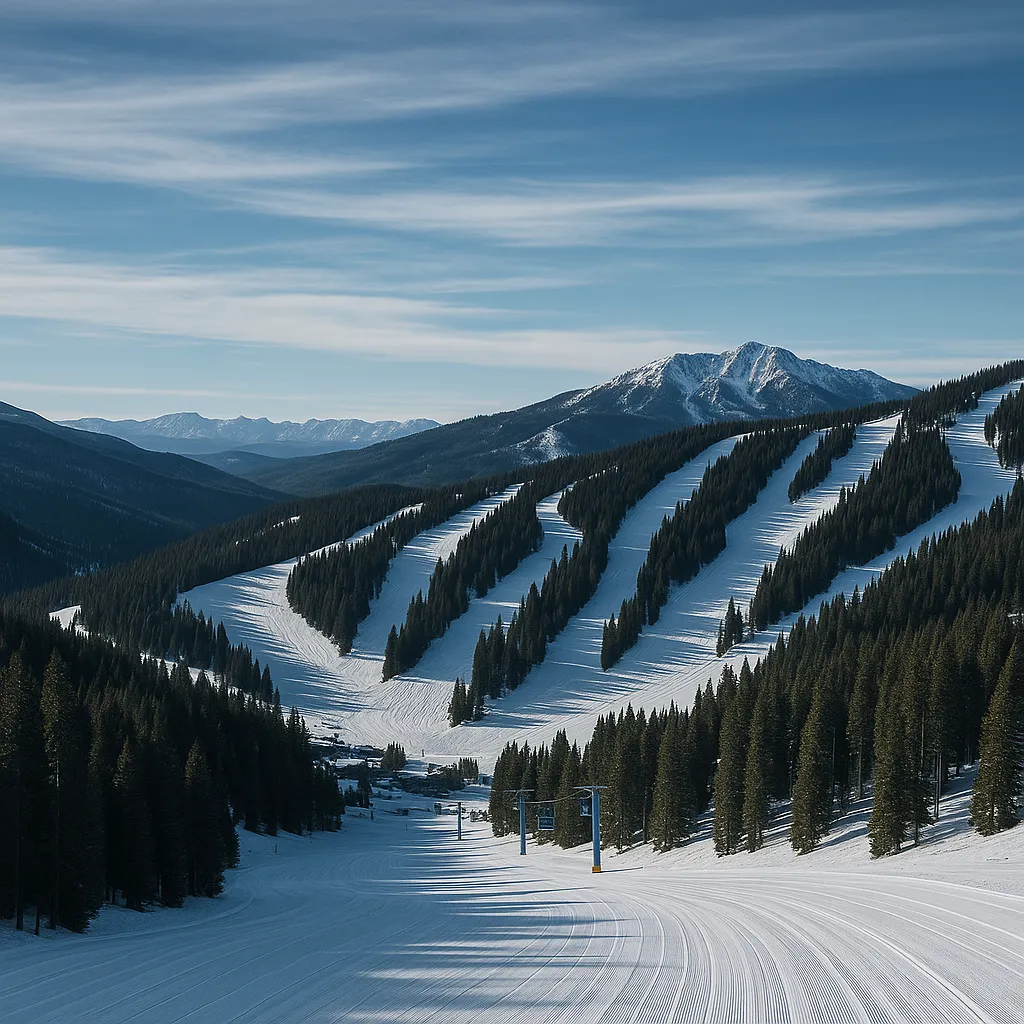
Before going resort by resort, it helps to use a better framework than headline snowfall and promotional photos. New Mexico skiing is shaped by altitude, aspect, sun, wind, and how much infrastructure each mountain has built around its terrain. Those factors change the trip more than the marketing language does.
- Terrain character: Are you booking steep hike-to terrain, long groomers, mellow learning zones, or a balanced mix?
- Trip format: Does the resort work best as a full destination stay, a Santa Fe add-on, a locals day trip, or a family weekend?
- Crowd pressure: Some New Mexico mountains feel refreshingly uncrowded compared with major destination resorts, but scale and lift capacity still matter.
- Snow consistency: Altitude, exposure, and snowmaking can matter as much as annual snow totals.
- Travel friction: Flying into Albuquerque or Santa Fe, driving mountain roads, and staying on or off mountain can completely reshape the experience.
That broader lens matters because the U.S. ski industry remains busy. The National Ski Areas Association reported 60.4 million skier visits in the 2023 to 2024 season, the second-highest total on record, which means even secondary planning factors such as access and lift flow deserve more attention than they get in casual listicles. NSAA
New Mexico also has a meaningful spread of ski areas rather than one dominant format. The New Mexico Tourism Department highlights resorts across northern and southern parts of the state, which is part of why the right answer depends so much on where you are staying and what kind of trip you are building. New Mexico Tourism Department
1. Taos Ski Valley
Taos Ski Valley is the clear headliner among New Mexico ski resorts because it offers the state’s strongest expert identity and the most credible destination-resort case. According to Taos Ski Valley, the mountain has 1,294 acres, a 3,131-foot vertical drop, a summit elevation of 12,481 feet, and a trail mix listed as 24 percent beginner, 25 percent intermediate, and 51 percent expert. Taos Ski Valley
Those numbers line up with how the resort skis. Taos is where New Mexico stops feeling like a regional alternative and starts feeling like a serious mountain decision in its own right. Advanced and expert skiers come here for steepness, hike-to access, and terrain that asks real questions. The mountain’s altitude and 300-inch average annual snowfall help too. Taos Ski Valley
Best for: advanced and expert skiers, destination trips, skiers who want challenge rather than convenience first.
Watch-outs: beginners can find terrain here, but the mountain’s reputation and layout make it less relaxed for true novices than some other New Mexico options.
2. Angel Fire Resort
Angel Fire works well for skiers who want a fuller resort package without Taos-level intimidation. The resort has been expanding terrain and infrastructure, and its frontside layout is easier for mixed-ability groups to understand. Official resort materials also note current 2025 to 2026 mountain updates, including new lifts and snowmaking improvements, which matters if you are comparing current conditions and future trajectory rather than relying on older impressions. Angel Fire Resort
Angel Fire is a stronger fit for family groups, lower-intermediate skiers, and travelers who want less friction than Taos. It is one of the most straightforward answers in the state when the goal is a comfortable, broad-appeal mountain rather than a high-consequence expert trip.
Best for: families, broad intermediate groups, skiers who want a more relaxed destination format.
Watch-outs: expert skiers may enjoy a day or two here, but pure terrain hunters usually still rank Taos higher.
3. Ski Santa Fe
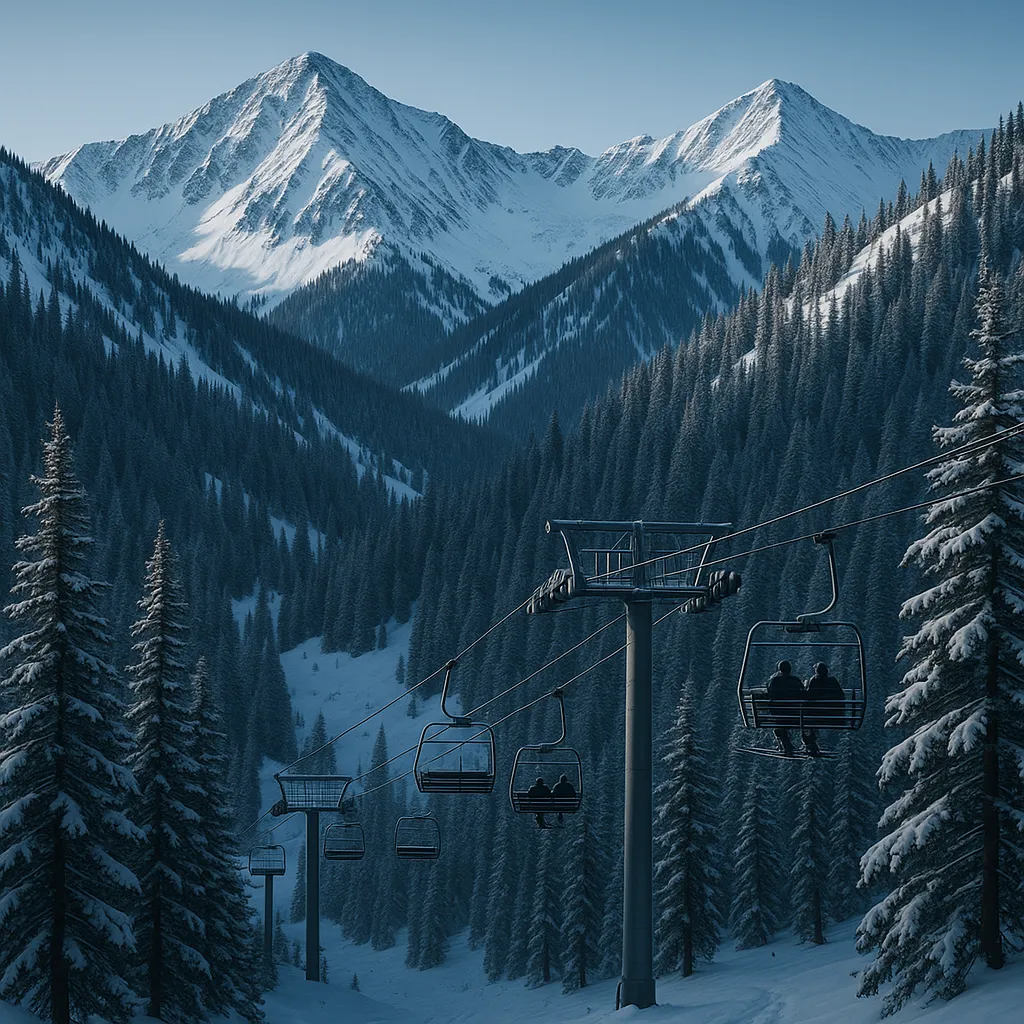
Ski Santa Fe is one of the easiest mountains to recommend when the ski day is part of a broader Santa Fe trip. New Mexico Tourism notes that chairlifts rise 1,650 vertical feet to Tesuque Peak at 12,000 feet along the Santa Fe National Forest Scenic Byway. New Mexico Tourism Department That quick-access, high-altitude combination is what makes Ski Santa Fe compelling.
It is not trying to out-Taos Taos. Instead, it gives travelers a balanced ski option close enough to Santa Fe that you can combine turns with food, galleries, and the rest of the city’s appeal. For many visitors, that combination is exactly the point.
Best for: Santa Fe visitors, day trips, mixed groups who want skiing without building the entire vacation around one mountain.
Watch-outs: if your main goal is high-consequence expert terrain, you will likely still prefer Taos.
4. Ski Apache
Ski Apache brings southern New Mexico into the conversation and makes the state’s ski map more interesting than many outsiders expect. Official Ski Apache stats list more than 750 skiable acres, 55 runs and trails, 11 lifts, an 11,500-foot top-of-gondola elevation, and a 1,900-foot vertical drop. The mountain also notes that annual snowfall is over 15 feet. Ski Apache
That profile makes Ski Apache worth more respect than it often gets in national coverage. It is not only a local convenience hill. It is a legitimate resort with breadth, southern access, and a distinctive place in the state because it serves the Ruidoso area rather than the northern cluster around Taos and Santa Fe. Its late-November 2025 opening announcement and current operating details also show that the resort remains active and relevant for current trip planning. Ski Apache
Best for: southern New Mexico access, mixed abilities, travelers combining skiing with a Ruidoso stay.
Watch-outs: if you are already flying north for a dedicated ski trip, Taos and the northern mountains usually present a stronger cluster of options.
5. Pajarito Mountain
Pajarito is one of the more interesting under-the-radar answers for skiers who care less about resort polish and more about low-crowd laps. Official public-facing resort materials describe a high-elevation mountain near Los Alamos with a strong local feel and a reputation for tree and bump skiing. Pajarito Mountain
That tracks with the mountain’s reputation. It is a good choice for skiers who enjoy a more local feel, are comfortable with less destination infrastructure, and want to avoid the energy of busier marquee resorts.
Best for: locals-style skiing, day trips from northern New Mexico, skiers who care about lap quality more than village atmosphere.
Watch-outs: this is not the most polished or convenient mountain on the list, and that is part of the deal.
6. Sipapu Ski & Summer Resort
Sipapu is often the right answer for value, progression, and low-pressure skiing. The resort’s official website presents it as a compact, approachable mountain with affordable appeal and terrain that works especially well for beginners and intermediates. Sipapu Ski & Summer Resort
More importantly, Sipapu knows what it is. It is not trying to masquerade as a luxury destination. It is trying to deliver approachable, affordable skiing with enough variety to keep progressing skiers engaged. That honesty gives it a real place in the New Mexico market.
Best for: budget-minded trips, beginners, lower intermediates, and families who want less intimidation and lower friction.
Watch-outs: advanced skiers looking for a multi-day destination trip may outgrow the mountain quickly.
What About Sandia Peak?
Sandia Peak can still matter for Albuquerque-area skiers, but it is harder to recommend as a dependable destination choice. Recent public-facing Sandia Peak tram pages have prominently stated that the ski area is not affiliated with the tram, and archived ski pages show the ski area closed. Sandia Peak Tramway Sandia Peak Tramway
A Simple Resort Filter
| Priority | Best Fits |
|---|---|
| Expert terrain | Taos Ski Valley |
| Family trip | Angel Fire, Sipapu |
| Santa Fe add-on | Ski Santa Fe |
| Southern New Mexico access | Ski Apache |
| Low-crowd local feel | Pajarito |
| Value and progression | Sipapu, Angel Fire |
If you are still early in the research phase, it also helps to compare these mountains against broader destination options. Our guide to the best ski resorts in the US for serious skiers shows where New Mexico’s mountains fit in a national terrain conversation, while our scenic-resort roundup can help if the visual setting matters as much as the skiing.
What Most New Mexico Ski Resort Guides Miss
The biggest weakness in most articles about New Mexico ski resorts is that they stop at the mountain choice. They do not carry the decision into setup. That is a problem because New Mexico trips often expose gear issues fast. High sunshine, variable surfaces, dry snow, wind, and long groomed stretches can punish a vague tune or a boot that is only “fine enough.”
A skier heading to Taos may want more support and more deliberate edge prep than someone planning mellow family laps at Sipapu. Someone skiing Ski Santa Fe as part of a city trip may want a setup optimized for comfort and versatility rather than a full storm-day quiver choice. That is the part destination roundups often ignore, even though it is where the trip either starts clicking or starts unraveling.
How Northbound Alpine Co. Helps You Ski the Trip Better
Once you know which mountain fits, the next question is whether your gear fits the mountain. That is where Northbound Alpine Co. comes in. Our Custom Boot Fitting sessions use pressure mapping and stance alignment to make shell and liner decisions more precise. Our Ski Tuning & Repair service is built for dependable edge hold and same-day turnaround when possible. If a trip turns into a touring add-on or a mixed resort-backcountry plan, our Backcountry Consulting, Touring Gear, and Gear Packages & Setup Builds help make sure the system works together instead of becoming a pile of expensive compromises.
If you are building a western trip and want your gear sorted before the mountain exposes the weak point, call (307) 734-2186 or keep reading our blog for more setup-specific guidance. You can also start with our boot-fit logic in our resort comparison coverage and then talk with us directly if you want a more technical recommendation.
Final Take
The best New Mexico ski resorts are good for different reasons. Taos Ski Valley is the standout for destination-worthy expert skiing. Angel Fire covers the family and intermediate case well. Ski Santa Fe makes sense when access and city pairing matter. Ski Apache gives southern New Mexico real weight. Pajarito serves skiers who like a quieter, less packaged mountain. Sipapu stays relevant because value and progression still matter.
Pick the mountain that fits the trip you are actually taking, then make sure your boots, tune, and ski choice follow that decision. That is how New Mexico goes from “surprisingly good” to genuinely memorable.
Frequently Asked Questions
What is the best ski resort in New Mexico?
For most destination skiers, Taos Ski Valley is the strongest all-around answer because it offers the most challenging terrain, the highest summit, and the clearest expert-skier identity in the state. The best choice still depends on whether you value steep terrain, easier access, lower prices, family-friendly cruising, or a day-trip format.
Is skiing in New Mexico good enough for a destination trip?
Yes, especially if you choose the right mountain for the way you ski. Taos Ski Valley can support a true destination trip for advanced and expert skiers, while resorts such as Angel Fire, Ski Santa Fe, and Ski Apache work well for shorter trips, mixed-ability groups, or travelers combining skiing with other New Mexico travel plans.
Which New Mexico ski resort is best for beginners?
Angel Fire, Sipapu, and Ski Santa Fe are often easier starting points for beginners and lower-intermediate skiers than Taos. They usually offer gentler progression terrain and a lower-intimidation feel than resorts with a stronger expert reputation.
Which New Mexico ski resort has the best expert terrain?
Taos Ski Valley is the standout for expert terrain in New Mexico. Its 51 percent expert terrain, steep hike-to access, and highest summit in the state make it the clear choice for skiers who want more consequence and technical skiing.
Do New Mexico ski resorts need different gear than bigger western destinations?
Sometimes. New Mexico trips can include dry snow, wind, sun exposure, firmer groomed surfaces, and thinner crowds than major destination resorts. That often makes boot comfort, edge tune quality, layering, and ski width more important than simply chasing the widest powder ski in your garage.